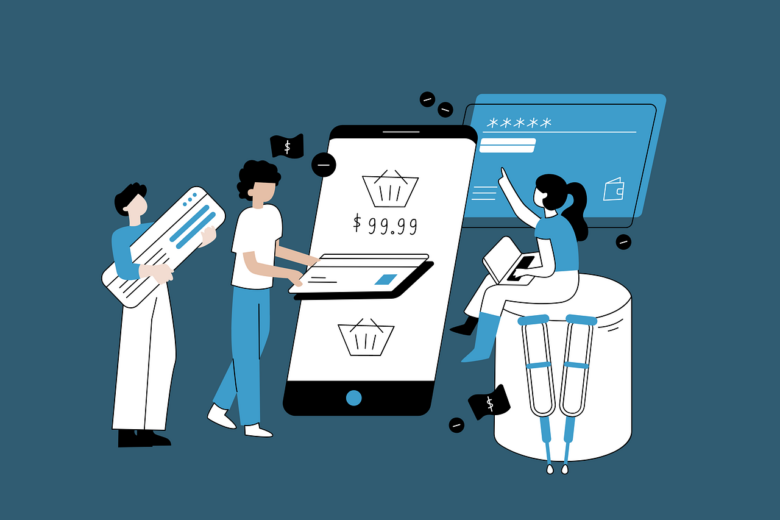
Learn how e-commerce businesses can prepare financing files, align borrowing with cash cycles, compare costs and repayment terms, assess SBA options, and test affordability against weaker sales scenarios.

Learn how e-commerce businesses can prepare financing files, align borrowing with cash cycles, compare costs and repayment terms, assess SBA options, and test affordability against weaker sales scenarios.

Compare merchant cash advances and business term loans by repayment structure, total dollar cost, payment frequency, prepayment terms, sales sensitivity, contract obligations, eligibility, and potential cash-flow strain during weaker revenue periods.
Learn how to compare e-commerce business loan offers by reviewing net proceeds, payment schedules, fees, rate structures, collateral, guarantees, prepayment terms, and cash-flow risks rather than relying on advertised rates.
This guide explains how e-commerce businesses can compare internal cash, revolving credit, term or fixed-asset debt, SBA programs, and equity based on project duration, cash-flow timing, liquidity needs, eligibility, costs, and risk.
Learn how to review personal and business credit, correct report errors, organize financial records, assess repayment capacity, and compare financing costs, eligibility, guarantees, collateral, and terms before applying for business funding.